

by Muhammad Rahat
Oct 30, 2026

Reviewed by Ford
Truck Dispatch Specialist
Finding the best state for reefer loads is crucial for trucking businesses. Considering only one factor cannot guarantee profit.
Knowing reefer load types is as important as knowing reefer volumes. If you do not know the requirements to haul a specific reefer load, you can lose considerable profit.
In this guide, you will learn the best states for reefer loads. The guide also covers important lanes in each state and their reefer hubs.
- Where to Find the Best Reefer Loads Across the USA
- How Much Can Reefer Loads From California Going East Pay?
- Where to Find Profitable Reefer Loads Out of Fresno, CA
- How to Find High-Paying Reefer Loads From Dallas, TX
- What Makes Reefer Loads From Florida Profitable?
- Where to Find Reefer Loads in Iowa and Reefer Loads Out of Iowa
- How Profitable Are Reefer Loads in Oklahoma?
- Where to Find Consistent Reefer Loads Out of Alabama
- Are Reefer Loads Out of Arizona Worth It?
- How to Find Better-Paying Reefer Loads Out of Colorado
- Where to Find Reefer Loads Out of Georgia (GA)
- How to Find Profitable Reefer Loads Out of PA
- Where to Find Reefer Loads Out of Seattle and Washington
- How Max Dispatch Helps You Find Better Reefer Loads
Where to Find the Best Reefer Loads Across the USA
Owner-operators can find the best reefer loads from dispatch services, freight brokers, and online load boards. High-volume outbound markets are important for making reefer loads profitable. A reliable dispatch service can find profitable loads, negotiate with brokers, and secure backhauls.
Best States for Reefer Freight and Seasonal Demand
It’s the type of reefer freight that makes the state best. A state can have agricultural produce, food processing, poultry, or pharmaceuticals. Depending on the state, freight availability can be seasonal or year-round. Seasonal demand creates profit opportunities for owner-operators.
How Much Can Reefer Loads From California Going East Pay?

Reefer loads from California to the East pay attractive rates. The pay depends on shipment type, produce season, fuel cost, and backhauls. Owner-operators can earn a significant profit during produce season if they secure backhauls too. Trips from California to the East typically pay $6,200 to $11,800. The per-mile rate remains between $2.75 and $4.15. These rates depend heavily on season and destination.
Eastbound Reefer Rates and Major Freight Lanes
Eastbound reefer rates vary by location. The Northeast pays the highest, and the Midwest pays less than that. Rates in the eastbound lanes are as follows:
- Salinas / Watsonville, CA, to Philadelphia, PA: $10,800 per trip; $4.00 per mile
- Central Valley (Kern County), CA, to Chicago, IL: $7,310–$7,650 per trip; $3.50–$3.65 per mile
- Santa Maria, CA, to Chicago, IL: $7,500 per trip; $3.60 per mile
- Southern California (Los Angeles / Imperial), CA, to Chicago, IL: $8,500–$8,800 per trip; approximately $4.00 per mile
- Gardena / Los Angeles, CA, to Pennsauken, NJ: approximately $8,600 per trip; approximately $3.10 per mile
- Santa Maria, CA, to Dallas, TX: $6,500–$7,100 per trip; $4.50+ per mile
Where to Find Profitable Reefer Loads Out of Fresno, CA
Fresno, California, is located in the San Joaquin Valley. This valley is the most agriculturally productive region in the world. It transports citrus, carrots, grapes, raisins, and packaged foods. Fresno leads the nation in reefer rates. Reefer rates remain $3.07 per mile on the spot market. Owner-operators have to book loads from load boards or buy a dispatch service. The top lanes and their rates are listed below:
- Fresno, CA, to Toronto, ON: estimated $8,000–$12,500+ per trip; approximately $3.00–$4.70 per mile
- Central Valley, CA, to Pennsauken, NJ: estimated $8,000–$12,000 per trip; approximately $2.60–$3.90 per mile
- Fresno, CA, to Chicago, IL: approximately $5,400–$5,700 per trip; around $2.50–$2.60 per mile
Logistics Market - Fresno, CA, to Oak Creek, WI: estimated $6,000–$8,000 per trip; approximately $2.70–$3.60 per mile
California Produce Freight and Seasonal Opportunities
California reefer volumes are calendar-specific. In the harvest season, reefer volumes flood the region and increase the rates. Carriers or owner-operators have to time their shipments according to seasonal shifts to take advantage of high rates. The seasonal timeline is divided into four parts.
- Spring Surge (March – May)
- Summer Peak (June – August)
- Fall Harvest & Holiday Overlap (September – November)
- Winter Transition (November – June Variety)
How to Find High-Paying Reefer Loads From Dallas, TX

Dallas-Fort Worth is the largest volume hub in the United States. Dallas serves as the major intersection for cross-country corridors, frozen grocery distribution, and cross-border moving freight. Outbound spot market rates are $2.80 to $3.10 per mile. To secure the highest-paying reefer loads, owner-operators have to target premium freight platforms.
Dallas Freight Lanes and Outbound Opportunities
Dallas outbound freight is highly diversified. It transports agricultural produce, proteins, grocery, and even equipment. Some of the important lanes and rates are discussed below.
- Dallas, TX, to Northeast (New York / New Jersey): 4,300–5,500+ per trip; approximately 2.80–3.50 per mile
- Dallas, TX, to Chicago, IL: approximately 2.70–3.10+ per mile
- Dallas, TX, to Detroit, MI: approximately 2.70–3.10+ per mile
- Dallas, TX, to Houston, TX: approximately 2.75–3.50+ per mile
- Dallas, TX, to major regional markets (bidirectional lanes): approximately 2.60–3.10+ per mile
What Makes Reefer Loads From Florida Profitable?

Reefer loads from Florida mainly depend on agricultural produce. During the peak season, perishable fruits and vegetables are in high demand and need urgent transport. This drives prices high. Northbound areas give premium rates as they are mainly consumers. Premium load boards list high spot rates that owner-operators can take advantage of.
Seasonal Produce Loads and Backhaul Opportunities
Florida is a massive consumer of reefer and dry volumes. But its outbound volumes totally depend on agriculture. Florida has a winter surge, Valentine spike, spring peak, and the watermelon flush. These seasons create opportunities for owner-operators to haul reefer loads. Major outbound lanes with rates are given.
- Plant City / Immokalee → New York / Philadelphia: $3,900–$4,500 ($3.80–$4.20/mile)
- Central Florida → Chicago / Midwest: $2,900–$3,100 ($2.80–$3.20/mile)
- South Florida → Atlanta: $1,600–$1,800 (short-haul rates may spike during harvest season)
Southbound backhauls are traps, as they consume more and give low outbound rates. To overcome that trap, owner-operators can take a trihaul route. This involves taking high-paying loads from the Northeast or Midwest to Georgia, then a low-paying short haul to Florida. From there, owner-operators can pick a high-paying outbound reefer load.
Where to Find Reefer Loads in Iowa and Reefer Loads Out of Iowa

Reefer loads in Iowa are different from those in the previously discussed states. Iowa does not depend on agriculture for its reefer loads. So, owner-operators can get freight throughout the year. Owner-operators can look at the following lanes to move reefer loads into Iowa:
- Chicago / Joliet Freight Pool: Refrigerated consumer goods, frozen foods, and groceries moving west along I-80 into Des Moines and Cedar Rapids
- Twin Cities (Minneapolis–St. Paul): Dairy, turkey, and other temperature-controlled freight moving south along I-35 into Central Iowa
- Kansas City Logistics Hub: Frozen proteins and food ingredients moving north along I-29 or I-35 into Iowa’s processing hubs
For outbound reefer loads from Iowa, owner-operators can target the following lanes:
- Western Packing Hub (Sioux City & Council Bluffs): Beef and pork processing; outbound lanes to the West Coast and Texas
- Central Meat & Grocery Belt (Des Moines, Marshalltown & Perry): Cold-storage facilities, meat processing, and retail distribution freight
- Eastern Manufacturing Corridor (Waterloo, Cedar Rapids & Davenport): Processed foods, refrigerated dairy, and meat products
Iowa Meat, Pork, and Dairy Freight
Iowa raises about one-third of the nation’s hogs. So it is the largest hub for distributing pork. Pork is highly perishable; it requires very low temperatures for transport. Fresh beef is heavy and expensive. Its load increases trailer weight significantly. Insurance coverage is also high for beef transportation. Last but not least, dairy freight includes milk and ice cream, which require low temperatures for hauling.
How Profitable Are Reefer Loads in Oklahoma?
Oklahoma sits at a geographical crossroads and is a major distribution hub. Reefer profitability depends on taking advantage of Oklahoma’s strategic location. Owner-operators can find reefer loads involving frozen poultry, beef, and temperature-sensitive freight along the I-35 and I-40 distribution corridors. Operations in Oklahoma do not depend on a single strategy. Therefore, reefer rates are strategy-specific.
Regional Freight Demand and Outbound Routes
Outbound routes should be fast-turning and high-velocity along I-35 and I-40. You can take 2-3 short hauls to Texas or Missouri instead of a long haul that gets stuck in traffic. Another strategy is to half-empty the fuel tank to scale the high-paying protein loads. You can use high spot market rates in Florida during peak season.
Where to Find Consistent Reefer Loads Out of Alabama
Alabama reefer loads contain poultry, meat, and grocery food items. That’s why it provides consistent reefer loads throughout the year. Alabama is the second-largest chicken-producing state in the country. It exports frozen goods through the Port of Mobile. Owner-operators can transport groceries from its primary grocery distribution hub.
- North Alabama → Midwest (Chicago / Cleveland): Regular poultry shipments from Gadsden and Albertville to major northern freight markets
- Birmingham → Atlanta / Carolinas: Short-haul reefer routes offering faster turnaround and opportunities to return to the home base
- South / Central Alabama → Florida / Gulf Coast: Frozen goods, poultry, and regional products moving from Brundidge and Pelham toward Orlando and Miami
When transporting poultry, shippers require strict trailer sanitation. Owner-operators need to bring washout receipts. Further managing fuel weight can help owner-operators maximize protein payloads. Brokers network and contract directly with states’ poultry processors.
Are Reefer Loads Out of Arizona Worth It?
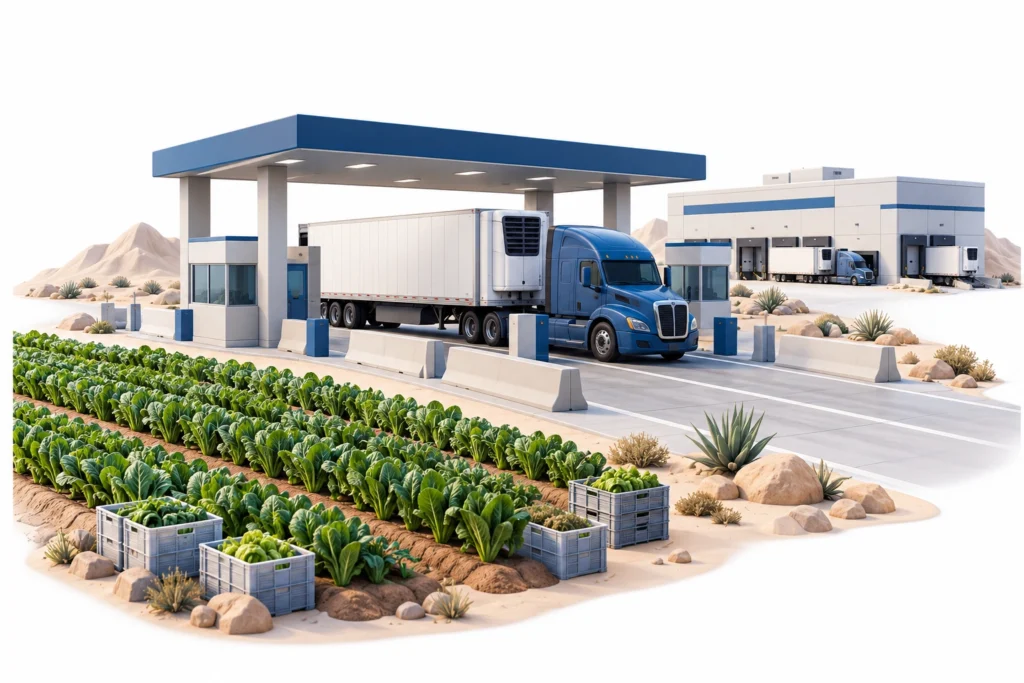
Reefer loads out of Arizona can be profitable when you time your shipments properly and target high-volume markets like California and Texas. Reefer rates depend heavily on seasonal produce demand. During the winter, millions of pounds of fresh produce enter Arizona from Mexico through the Nogales port of entry. Yuma, Arizona, is also a major producer of winter leafy greens. This highly perishable produce requires quick transportation, which can drive up reefer spot rates. Distribution centers around Phoenix can provide backhaul opportunities. However, reefer demand tied to produce generally declines during the summer, making it harder to find profitable loads on some routes.
How to Find Better-Paying Reefer Loads Out of Colorado
Colorado is located in the mountains and is a large consumer state. Outbound loads give lower rates. Finding better-paying reefer loads requires strategy. Greeley and Fort Morgan are major protein packing facilities. Golden and Fort Collins are major beverage producers. And there is highly sensitive and valuable biotech reefer freight from this region as well. Hauling these specialized shipments can provide higher pay and consistent reefer loads.
Where to Find Reefer Loads Out of Georgia (GA)
Georgia reefer loads are driven by the state’s position as the poultry capital of the world. South Georgia has massive agricultural production. The Port of Savannah supports the movement of refrigerated goods through the cold chain. These are the reefer opportunities for owner-operators. Major lanes of Georgia are as follows:
- Atlanta / North GA → Florida (Miami / Orlando); Groceries, poultry, and retail food products.
- Gainesville / Atlanta → Midwest (Chicago / Columbus); Poultry and processed foods.
- Savannah / South GA → Northeast (New York / Philadelphia); Imported frozen goods and seasonal produce.
How to Find Profitable Reefer Loads Out of PA
Owner-operators can get profitable reefer loads in Pennsylvania from its massive grocery manufacturing units and regional distribution centers. Pennsylvania also feeds the Northeast corridor, leading to more reefer opportunities. Pennsylvania generates consistent, high-paying, temperature-sensitive loads. Major reefer hubs in this state are:
- Central Logistics Belt (Harrisburg, Carlisle & Mechanicsburg); Retail groceries, refrigerated goods, and continuous grocery distribution loads
- Lehigh Valley Food Corridor (Allentown & Bethlehem); Processed foods, refrigerated beverages, and dairy products
- Western Gateway (Pittsburgh & Cranberry Township); Frozen proteins, refrigerated groceries, and food inventory
Where to Find Reefer Loads Out of Seattle and Washington
Reefer loads out of Seattle and Washington depend on massive agricultural production and seafood moving through the port. The large processed food manufacturing industry provides more reefer load opportunities. Reefer freight hubs in Seattle and Washington are:
- Puget Sound Seafood & Import Hub (Seattle, Tacoma & Kent); Seafood, imported frozen proteins, and refrigerated grocery freight.
- Agricultural Basin (Yakima, Wenatchee & Tri-Cities): Apples, pears, cherries, frozen potato products, and onions.
- Eastern Transit Gateway (Spokane): Regional groceries and frozen food freight.
High-paying outbound lanes out of Washington are as follows:
- Yakima / Pasco → Los Angeles / Central Valley, CA; Washington apples and frozen potatoes.
- Seattle / Tri-Cities → Chicago / Midwest; Frozen seafood and processed foods.
- Seattle Metro → Phoenix / Dallas; Retail food stocks and seafood.
How Max Dispatch Helps You Find Better Reefer Loads
Owner-operators have to monitor load boards regularly to secure high-paying reefer loads, especially in harvest season. Max Dispatch helps them by finding high-rate reefer loads. When rates are not reasonable, their experts negotiate on behalf of owner-operators for better rates. Max Dispatch chooses routes that offer backhaul opportunities for owner-operators. Choosing Max Dispatch service can help improve reefer business profitability.