

by Faizan Hassan
Dec 30, 2025

Reviewed by Ford
Truck Dispatch Specialist
A crucial aspect of owning your own trucking business is learning how to deal with different professionals in the trucking industry. This includes working
with brokers and dispatchers.
Freight brokers and dispatchers play a crucial role in logistics and help move goods from one location to another. Both roles are important in your trucking business as a trucker. But they have different purposes in the trucking field.
Understanding the difference between a freight broker and a dispatcher will help you save time and ensure you are contacting the right people for the job.
Let’s take a closer look to understand the roles, similarities, and differences between a freight broker and a dispatcher.
The Role and Responsibilities of a Freight Broker
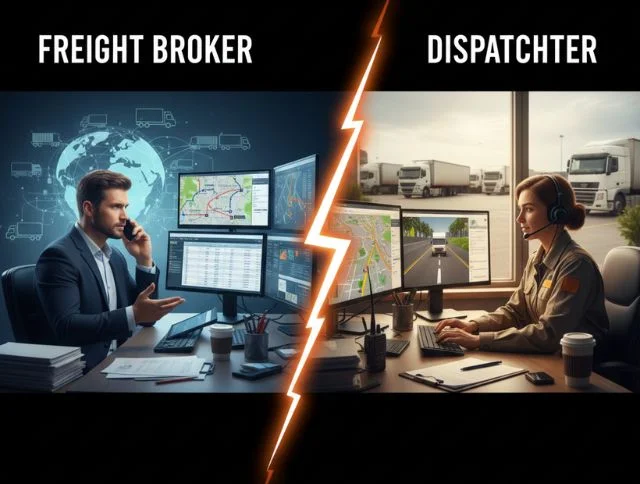
If you’re an owner-operator or a contract driver working for a carrier, you’ll rely on the freight broker at some points.
Freight brokers usually work as middlemen who connect shippers with carriers. The main role they play is to focus on coordinating logistics; they don’t own trucks or handle cargo.
A professional freight broker helps negotiate rates, matching shippers with appropriate carriers. They schedule pick-ups and routes, and ensure shipments are delivered on time precisely.
It’s common for freight brokers to work with multiple carriers and shippers in different industries. Brokers also manage administrative tasks like contracts, compliance, and payment procedures, and they find and source high-paying loads for your trucking business.
Although you only pay a fee for their services, many owners remain satisfied because consistent work is worth the expense.
Responsibilities of a Freight Broker
- Connecting shippers with carriers.
- Negotiating freight rates for both shippers and carriers.
- Overlook the whole transportation process and tracking shipments.
- Verifying carriers meet all regulations.
- Addressing issues like shipment, delays, route changes, and accidents.
- Managing payments.
The Role and Responsibilities of a Dispatcher

A dispatcher plays an important role in maximizing the time and earnings of the truck driver. They work directly with you to ensure you have the most enhanced loads and routes for each truck, helping you stay efficient and profitable.
A freight dispatcher doesn’t help you find customers the way a broker does. A dispatcher can help you handle the complexities of managing a trucking business.
They are essential for businesses with more than one truck; that’s why trucking companies rely on freight dispatchers to run an organized business.
Responsibilities of a Dispatcher
- Matching drivers with available loads.
- Optimizing routes to minimize the costs and timelines.
- Managing diver schedules.
- Communicating with drivers.
- Handling bills and delivery receipts.
A Carrier’s Relationship With a Broker vs. a Dispatcher

Both brokers and dispatchers play an essential role in making carriers’ trucking business more efficient and profitable. They have different responsibilities: a broker can help carriers find loads, while dispatchers manage carriers’ existing workloads.
How Carriers Work With Brokers
A freight broker is your best venture to build more business opportunities. They are efficient in helping you find loads for your trucks. Brokers can also help you negotiate rates on your behalf.
If you’re not sure about charging for your service, working with a broker could give you a better understanding of the current fair market rates. A freight broker allows you to pick the loads that best match your capacity, rates, and routes.
Freight brokers always need carriers for their customers, so you’ll often receive multiple requests rather than waiting for available loads.
Brokers are similar to dispatchers in that they can handle some administrative tasks, even though the tasks they manage are different. Brokers handle contracts and payments, while dispatchers specialize in bills and delivery receipts.
How Carriers Work With Dispatchers
Once you receive the loads from the shipper or a broker, the dispatcher assigns specific loads to desired trucks. Dispatchers often use specialized software to decide the best truck based on location, capacity, and availability.
Exclusivity is the biggest difference between brokers and dispatchers. Usually, dispatchers work just with a single carrier, and brokers work with multiple parties concurrently.
They understand the differences within your company and among your drivers, offering a personalized level of service that stimulates the business.
Essential Considerations for Carriers Working With Freight Brokers
If you’re considering working with a freight broker, you should know that the right broker can unlock prestigious opportunities for your business.
However, if you are a new owner-operator or truck driver, you need to understand all the factors involved in working with freight brokers.
How the Payment Process Works for Carriers
Watch the finances when working with brokers. It’s typical for them to release payment upon delivery only after you’ve submitted all required documentation, like a bill of lading. Read the fine print in your contract carefully, because some payment terms can range from 30 to 60 days.
Avoiding Double Brokering Scams
It’s unfortunate, but scams occur in the logistics industry. If it’s your first time working with the broker, then look out for common scams like double brokering. This happens when a broker reassigns the load to another broker without informing you.
Rate Negotiation
Freight brokers often say their rates are pre-negotiated, but you can negotiate these rates. Consider fuel costs, equipment needs, and the difficulty of the loads when discussing pricing with the brokers.
You can negotiate better rates once you have established a good relationship with the broker.
Find the Best Freight Brokers for Your Business
Don’t rush into working with any broker you find. Compare rates, routes, and more. You should also verify that the broker is dependable by checking trucking boards and review sites.
Essential Considerations for Carriers Working With Dispatchers
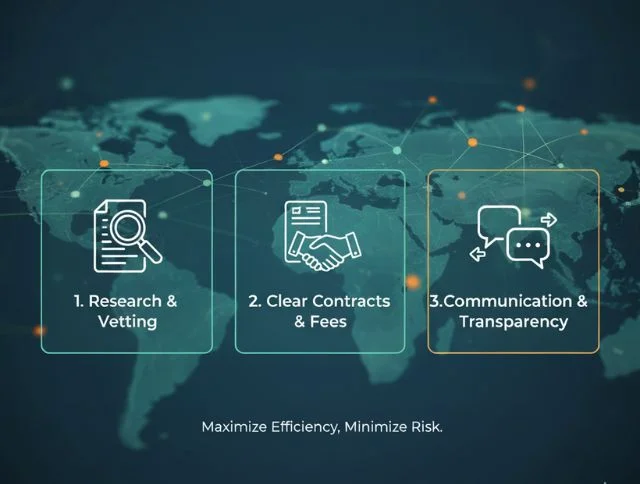
A dispatcher works as a key assistant in the logistics process. Since this is an ongoing relationship, it’s essential to consider carefully before bringing a dispatcher into your team.
Ensure Your Business Can Afford a Dispatcher
Make sure you have sufficient cash flow to hire a full-time dispatcher. Dispatchers typically charge a percentage of each load, ranging from 5% to 10% of your earnings.
As a new operator, it might be difficult to front this cost. Estimate whether your current earnings can comfortably cover this expense.
If money is tight right now but you need help with dispatching, consider freight factoring to get the back-office support you need.
Find the Best Freight Brokers for Your Business
Some dispatchers provide comprehensive support, including load booking, route planning, and paperwork management, while others offer limited services. So look for a dispatcher specializing in your preferred routes, freight type, and operations.
A knowledgeable dispatcher with strong connections in the industry can secure high-paying loads and keep your trucking running on the roads consistently.
You can’t put a price on valuable skills like communication, so choose a dispatcher who networks well with your drivers and team.
Conclusion
Both are distinct jobs with significant career upsides, and both are important for the smooth functioning of the logistics industry.
They contribute through their unique skills to ensure efficient transportation management. The collaboration between the freight broker and dispatcher strengthens the business and improves customer satisfaction.
By seamlessly integrating freight brokerage and dispatch operations, businesses can manage loads, track shipments, and gain valuable insights to make informed decisions.