

by Faizan Hassan
Dec 25 2025

Reviewed by Ford
Truck Dispatch Specialist
Successful and efficient box truck operations depend on reliable dispatchers, and this requirement is one of the most important factors to ensure operational success.
Having the right dispatcher can make all the difference in smoothly running your processes, improving driver safety, and optimizing the routes.
The right dispatcher plays a crucial role not only in organizing daily logistics, but also in scheduling and ensuring drivers are following commercial driver safety regulations.
A well-chosen dispatcher becomes a key operational partner in making sure your business is running as efficiently and safely as possible. For box truck owners, the responsibility goes beyond managing the delivery of goods from one point to a second point.
- What Is the Role of a Dispatcher for a Box Truck Business?
- Key Responsibilities of a Box Truck Dispatcher You Should Know
- How to Evaluate a Dispatcher’s Experience in Box Truck Operations
- Why a Dispatcher’s Understanding of Truck Driver Safety Is Critical
- Look for Dispatchers With Established Client and Shipper Networks
- Evaluate the Dispatcher’s Tech Savviness and Use of Dispatching Tools
- Why Strong Communication Skills Are Essential for a Box Truck Dispatcher
- Conclusion
What Is the Role of a Dispatcher for a Box Truck Business?
A dispatcher has a key role in any trucking operation. They are responsible for organizing the routes, scheduling deliveries, and communicating with the driver.
They manage the overall progress of the operation and ensure that drivers have all the essential resources to do their job efficiently.
A dispatcher has a vital responsibility to manage dispatching efficiently, and drivers can meet strict schedules and avoid delays. Therefore, finding the best dispatcher is crucial to ensure business success.
Key Responsibilities of a Box Truck Dispatcher You Should Know
It’s important to know the responsibilities of a dispatcher in the trucking business. A dispatcher’s responsibilities extend beyond booking shipments and managing loads.
Their responsibilities typically include:
- Route Planning: A dispatcher plans efficient routes, factoring in time, distance, and traffic conditions. This helps avoid delays.
- Scheduling: Ensuring deadlines are met and managing pick-up and drop-off times to maintain customer reliability.
- Managing Communication: Dispatchers communicate professionally with clients, drivers, and stakeholders to keep them updated on shipment status.
- Ensuring Safety: Ensuring that drivers are following legal regulations and applying professional driver safety tips while driving.
- Financial Management: Helping to establish the foundation of the business’s operating expenses and calculating the cost per mile (CPM). A dispatcher secures freight at rates that exceed operating costs to ensure profitability.
How to Evaluate a Dispatcher’s Experience in Box Truck Operations
If you’re searching for a dispatcher, experience in dispatching box trucks is important. Some dispatchers may have experience with larger trucks or other fleets, but box trucks have distinct operational needs.
Look for a dispatcher who meets these key qualifications:
- Working experience with box trucks, especially in the same industry, is required.
- Knowledge of local and regional routes is required.
- Familiarity with professional safety tips for licensed truck drivers.
- Knowledge of the specific requirements of box trucks, including size, weight limitations, and maintenance needs.
- Understanding regional weather conditions during different months to plan profitable produce routes in harsh seasons.
This expertise as a dispatcher helps ensure your box truck stays loaded with profitable freight all year-round and maximizes profits during high-demand periods.
Why a Dispatcher’s Understanding of Truck Driver Safety Is Critical
A professional dispatcher will prioritize safety and be knowledgeable about truck drivers’ daily safety tips. A professional dispatcher ensures that drivers meet safety standards and guidelines, especially in terms of reducing accidents and injuries.
Some essential responsibilities every dispatcher should focus on:
- Monitoring driver hours to prevent exhaustion is essential.
- Scheduling rest breaks for drivers according to applicable regulations.
- Raising awareness among drivers about safety requirements and legal regulations for licensed truck drivers.
Look for Dispatchers With Established Client and Shipper Networks
Communicating effectively is a dispatcher’s key skill for maintaining strong business relationships. It’s important that the dispatcher can negotiate competitive rates, track shipments, and resolve any problems that appear during transportation.
A good dispatcher can help a business reach its peak performance if they have a strong network of shippers and carriers. They must understand how to negotiate optimal routes and delivery times and be able to handle customer queries and concerns effectively.
The business can operate more efficiently if the dispatcher has these essential networking skills crucial for every box truck owner. These networking skills make the dispatcher exceptional and enable the box truck owner to rely on them.
Evaluate the Dispatcher’s Tech Savviness and Use of Dispatching Tools
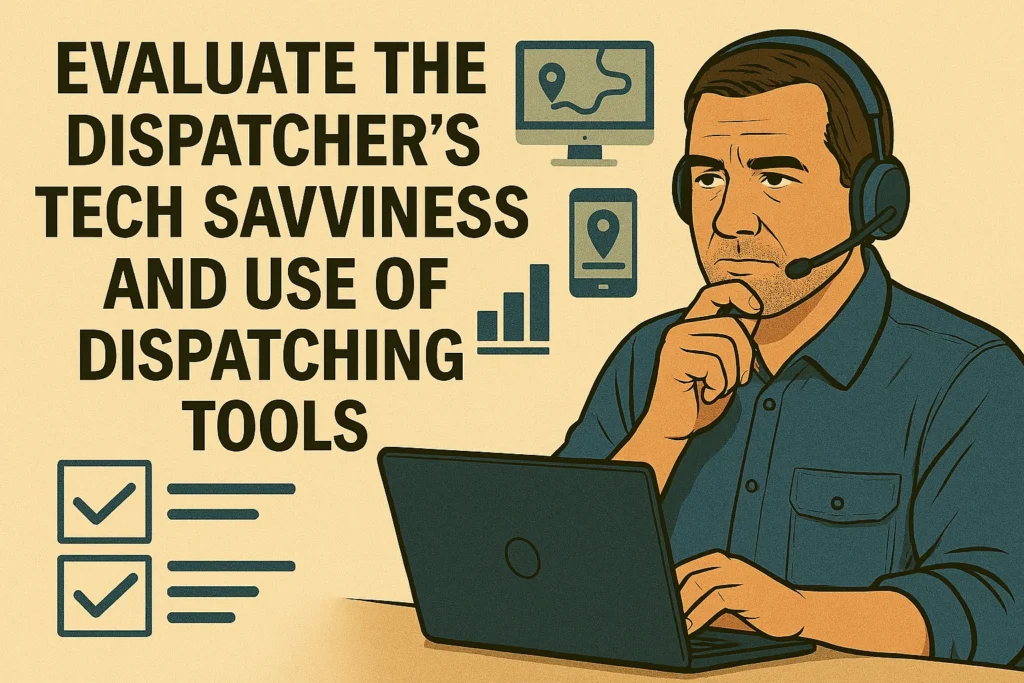
Today, dispatching requires technology for efficient box truck operations. A professional dispatcher should know how to use dispatch management software, GPS tools, and communication systems.
This ensures optimal performance and safety in box truck dispatching:
- Real-time tracking of shipments and routes.
- Maintaining steady communication between drivers and the dispatcher.
- Ensuring smooth scheduling and reporting of operations.
Look for a dispatcher who is efficient with technology, understands its value, and can leverage it for optimal performance. Every customer prefers dealing with technology rather than companies, because it builds confidence in the dispatcher.
Why Strong Communication Skills Are Essential for a Box Truck Dispatcher
Communication is the main aspect of the dispatcher’s role. A professional dispatcher will need to transfer information clearly to drivers, clients, and other stakeholders.
Good communication skills enable a dispatcher to resolve problems quickly and effectively during issues such as accidents, delays, or schedule changes. If the dispatcher is proficient in communicating in such crucial situations, problems can be minimized.
A dispatcher should be able to provide clear instructions to drivers and address customers quickly. The dispatcher acts cooperatively between all parties to ensure well-managed operations.
Conclusion
If you’re ready to take your box truck business to the next level, you have to confirm that your dispatcher has these abilities. The dispatcher’s responsibilities, which we have covered, are enough to realize that every box truck business should be aware of them before hiring a dispatcher.
Dispatchers play a key role in your business because they handle essential operations that help you serve your customers. They can build confidence and reliability in you and upgrade the business with their efforts.
You need an expert dispatcher who is highly trained and provides real-time support to their clients. They ensure that drivers have the resources and tools needed to succeed on their routes. Leverage a trusted dispatcher to make your box truck business successful.