

by Faizan Hassan
December 24, 2025

Reviewed by Ford
Truck Dispatch Specialist
Freight factoring is a proven financial service that helps trucking companies get paid faster. Usually, trucking businesses wait for a long time to get paid; instead of waiting for brokers or shippers to pay invoices, carriers sell those invoices to a factoring company for instant payment.
The factoring company collects payments from the brokers or shippers to keep cash flow steady and operations running smoothly. So, it is a time-saving and effective method of managing finances in the trucking industry.
How Freight Factoring Works in Real Life
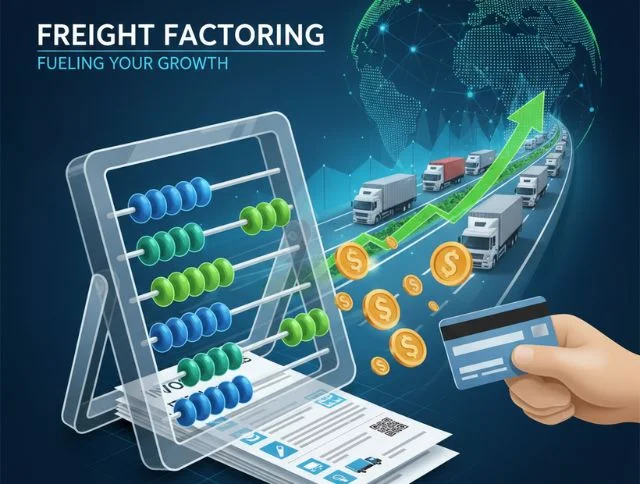
Freight factoring follows an uncomplicated process. Here’s how it works:
- The truck driver completes a regular load delivery.
- The truck driver sends the important documents, including proof of delivery, and confirms the rate to the chosen factoring company.
- The factoring company confirms the delivery details from the broker or shipper.
- After verification, the factoring company deposits the payment into the truck driver’s account using the chosen funding method, which can result in an overnight or same-day transfer.
- The factoring company takes control of collecting payments for the entire invoicing process.
- Once the truck driver settles outstanding balances, the factoring company deducts its fee and closes the invoice.
Exploring Different Freight Factoring Options
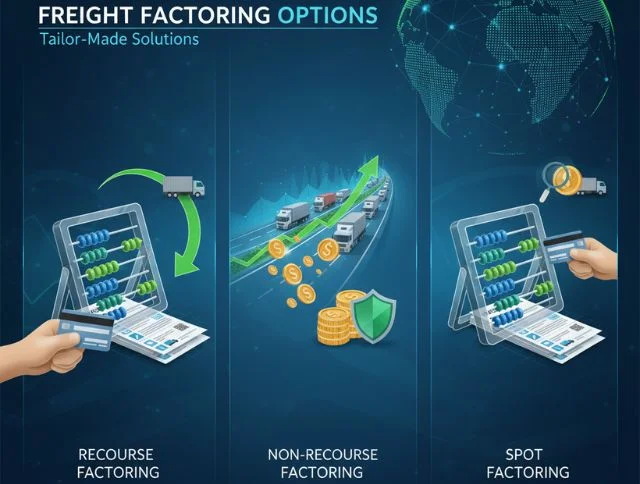
Recourse factoring
This is one way factoring companies process invoices for instant cash. It is the responsibility of freight factoring companies to collect payments from the trucking business’s clients.
If the client fails to pay the outstanding dues, then the factoring company demands that the trucking business refund the owed amount.
Non-recourse factoring
This is a type of invoice financing where truck companies sell their invoices to the factoring company. The freight company takes responsibility for the immediate payment process and bears every risk associated with it.
Spot Factoring
Spot factoring is a certain type of factoring that trucking businesses regularly use to fix their specific expenses. It includes financing a single invoice instead of financing multiple invoices.
Spot factoring suits trucking companies that need to use a single, sizable, one-time invoice.
Contract factoring
Contract factoring is the way that large trucking companies frequently use, which involves working with a freight factoring company to handle all of their financial invoices.
The trucking company should be aware of the terms and agreements before entering into any contract.
Freight factoring is a complicated process that involves detailed terms and agreements that the trucking company must understand.
Benefits of Freight Factoring
Freight factoring offers different advantages to trucking companies:
- Faster Payment: To prevent waiting weeks or longer, carriers often get cash within 24 hours. Faster payment gives access to working capital that can cover operating expenses like fuel, payroll, and maintenance without waiting for customer payments.
- No Debt or Interest: Factoring is not a loan; trucking companies sell their invoices for immediate cash. They don’t incur debt or pay interest; they only pay a fee for the service.
- Financial Management: Financial management helps factoring companies handle collections efficiently without unnecessary complexity. Factoring companies save truck drivers time and effort by following up on customer payments.
- Credit Protection: Factoring companies provide credit protection for non-recourse factoring. This protects truckers from losses if a customer collapses.
Drawbacks of Freight Factoring
Freight factoring costs depend on various factors, including invoice value, customer reliability, and industry risk. Here are the key charges to consider:
- Factoring Fee: The factoring fee is a percentage that factoring companies typically charge, ranging from 1% to 5% of the invoice amount. If truckers factor large volumes of invoices continuously, factoring might cost more for them.
- Advance Rate: The advance rate is the amount that the factoring company provides upfront. Most factoring companies offer 70% to 95% of the invoice value. The remaining balance, minus the fee, is paid after the customer settles the invoice.
- Additional Fees: Most factoring companies charge fees beyond the base rate, which can add up over time. These may include processing, maintenance, credit check, termination, late payment, and per-invoice charges.
Key Considerations When Picking a Freight Factoring Company
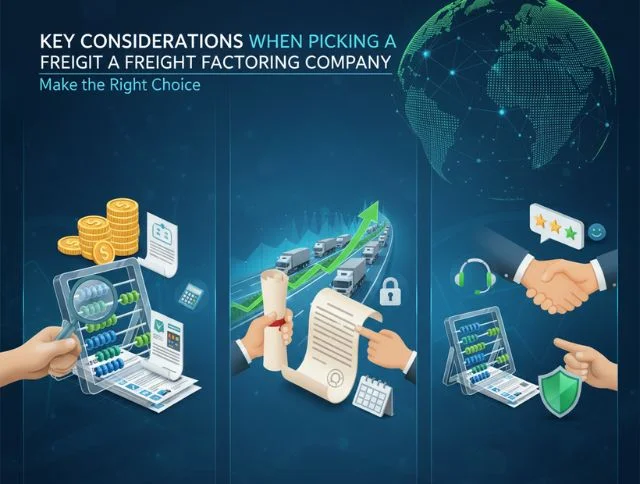
Picking the right factoring company is crucial and challenging. The trucking companies should consider some factors, including transparent pricing that clearly discloses all fees, and a good company that explains the advance and additional rate schedules.
Truckers should find a company that understands the nuances of the trucking business and specializes in freight. Broker processes, fuel cards, and compliance support are the main services a factoring company should provide to truckers.
If trucking companies want protection from any hazardous acts by the freight factoring company, they should take precautions, such as comparing companies carefully.
They should compare several companies based on rate quotes, fee structures, and contract terms.
When Is Freight Factoring a Good Fit
Freight factoring is best for businesses with urgent cash needs and cash flow challenges. If the trucker is out of fuel money and waiting 30 to 60 days for payment, then a factoring company can fill this gap by providing funds within a day.
Factoring becomes a partner if you want to avoid debt, because it lets you grow without taking on new loans. When a business prefers to pay a service fee over incurring interest, factoring keeps debt off its books.
When businesses decide to expand their network by buying new trucks and hiring drivers, short-term cash flow can be more important than low financing costs.
Many trucking companies use factoring to finance large investments without taking loans. Freight factoring is a good fit when the value of having cash immediately exceeds the cost of factoring.
Conclusion
Freight factoring is essentially a cash flow solution for businesses that convert unpaid invoices into working capital. The businesses sell their invoices to a factoring company that helps trucking businesses and brokers to cover their essential expenses.
This allows them to grow without incurring debt or waiting for slow-paying customers. The main advantages of freight factoring are flexible funding, fast payments, and reduced administrative burdens.
Trucking companies need to choose the right factoring company with clear pricing, good services, and reliable terms tailored to their needs. It can keep the business growing and trucks rolling on the road without incurring debt.