

by Muhammad Zubair
April 17, 2026

Reviewed by Ford
Truck Dispatch Specialist
Successful truck load management requires careful planning, proactive communication, and consistent review. From analyzing loads and planning routes to securing cargo, optimizing schedules, and preparing for delays, every step impacts safety, efficiency, and profitability.
Tracking expenses, managing delivery timing, and reviewing each load after delivery ensures informed decisions, prevents costly mistakes, and maximizes earnings.
By integrating these practices, owner-operators can streamline operations, reduce risk, and maintain high service standards while keeping cargo, equipment, and drivers safe and productive.
- Tip 1: Analyze the Load Before Accepting It
- Tip 2: Plan Your Route in Advance
- Tip 3: Understand Pickup Requirements Clearly
- Tip 4: Confirm Equipment Compatibility
- Tip 5: Secure the Load Properly
- Tip 6: Plan Fuel Stops Strategically
- Tip 7: Optimize Your Driving Schedule
- Tip 8: Prepare for Unexpected Delays
- Tip 9: Stay in Constant Communication
- Tip 10: Manage Delivery Timing Precisely
- Tip 11: Track Expenses and Profit Per Load
- Tip 12: Review Each Load After Delivery
- Final Thoughts: Think Like a Dispatcher, Drive Like a Pro
Tip 1: Analyze the Load Before Accepting It
Start by verifying the load weight to stay within your truck’s GVWR and payload limits, preventing fines and vehicle damage. Check the freight dimensions to confirm the cargo fits your equipment and determine if special permits are needed. Evaluate the rate per mile to make sure the load will cover your operating costs and generate a profitable margin. Identify the load type, such as fragile, hazardous, or temperature-sensitive cargo, to understand handling requirements and select the proper trailer, whether dry van, reefer, or flatbed.
Review any special cargo handling needs, such as fragile, hazardous, or temperature-sensitive shipments, to reduce risk and liability. Research the broker or shipper’s credibility to avoid delayed payments or fraudulent offers. Finally, consider potential detention time at pickup or delivery points to anticipate downtime and protect your earnings. Thoroughly analyzing these factors before accepting a load allows you to make informed decisions, maximize profitability, and keep operations smooth and safe.
Tip 2: Plan Your Route in Advance

Optimize your route by analyzing distance and traffic patterns to reduce fuel consumption and avoid delays. Estimate toll costs and weigh them against potential fuel savings to choose the most profitable path. Account for legal restrictions like weight-limited roads, bridge and tunnel clearances, and seasonal closures that could block your route. Monitor road conditions and detours, such as construction alerts, to prevent unexpected setbacks.
Use GPS and navigation tools to plan efficient routes and adapt in real time. Consider road type preferences like highways for speed or local roads to save on tolls, and explore alternative routes for flexibility. Incorporate backhaul opportunities to minimize empty return trips and increase overall profitability. Factor in weather conditions that may impact safety or timing, especially in mountainous or flood-prone areas. You can reduce risks, save time, maximize revenue, and ensure a smoother and more efficient trip from pickup to delivery by proactively planning routes with these considerations.
Tip 3: Understand Pickup Requirements Clearly
Verify all pickup requirements before heading to the shipper. You should confirm the pickup location and ensure the load is ready, aligning your arrival with the scheduled pickup window to avoid detention fees. Check the loading dock access type and any restrictions or dock hours so you can bring the required equipment and comply with safety and PPE rules. Review load documentation, cargo inspection protocols, and special handling instructions, especially for fragile, hazardous, or temperature-sensitive freight.
Confirm the appointment with the shipper and collect accurate contact details to communicate delays proactively. Understand shipper-specific rules, policies, and labeling requirements to prevent fines or denied pickups. Evaluate scheduling flexibility and alternative windows to improve trip efficiency. Ensure temperature or environmental controls are in place if needed, and follow the load acceptance procedures carefully to maintain legal and operational compliance. By systematically following these steps, you reduce waiting times, avoid disputes, and ensure a smooth, compliant, and efficient pickup process.
Tip 4: Confirm Equipment Compatibility
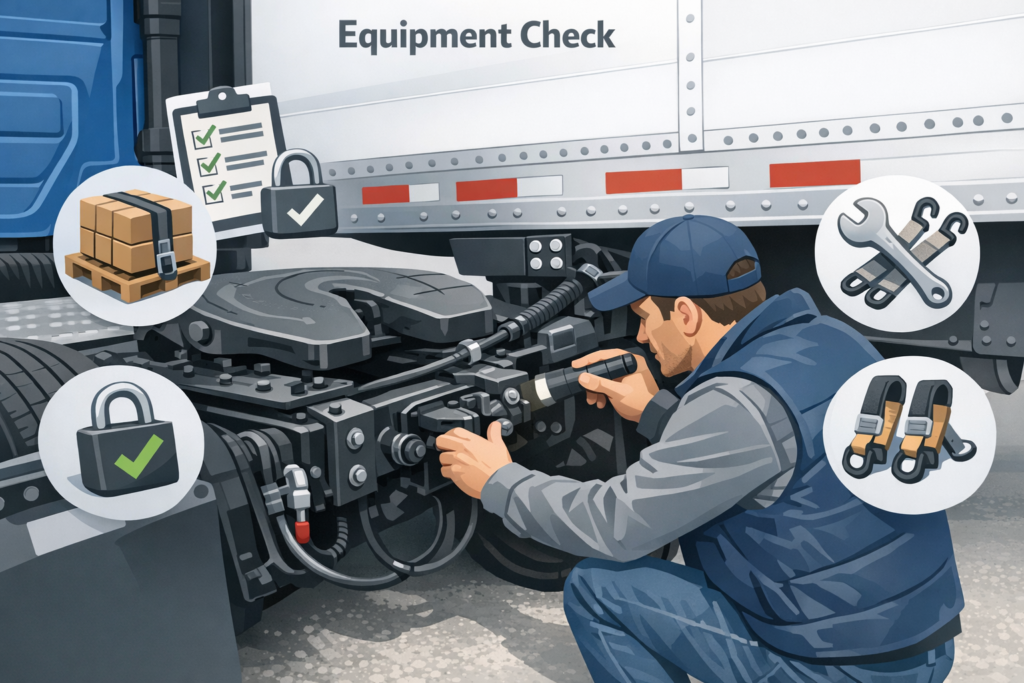
Ensure your equipment matches the load before hitting the road. You should select the appropriate trailer type, which may be dry van, flatbed, reefer, or lowboy, to fit the cargo safely. Check that your trailer supports the load’s weight to avoid fines and structural damage. Verify the equipment is in proper working condition to prevent breakdowns and delays. Confirm that the load fits within the trailer dimensions, including height, width, and length limits, and that clearance meets bridge and tunnel restrictions. You must confirm the trailer floor type is compatible with the cargo and that the axle configuration supports proper weight distribution.
Check refrigeration units and temperature-controlled equipment if hauling perishable goods. Confirm liftgate availability for non-dock pickups and that any specialized equipment, like tarps, straps, or hazmat gear, is ready. Verify compatibility with forklifts, cranes, or dock equipment at pickup and make sure that the securing straps meet the proper quantity and rating. Always perform a pre-trip inspection and follow safety gear requirements, including reflective tape and lights. Finally, your equipment complies with shipping, DOT, or customer standards, and consider rental or upgrade options if your current trailer is insufficient.
Tip 5: Secure the Load Properly
Use proper securing techniques to keep your cargo safe and stable during transit, like applying the correct tie-down methods with straps, chains, and binders to prevent shifting or accidents. You have to distribute the load evenly across the trailer and axles to maintain stability and meet legal weight limits. Use load restraint devices such as load bars, tarps, and corner protectors to reduce the risk of damage. Ensure that all tie-downs meet the required ratings, and consider blocking, bracing, and dunnage for small or irregular loads.
Inspect tie-downs, trailer bed condition, and securing equipment before loading and periodically during transit. Take weather conditions into account, adjusting methods for rain, snow, or wind to prevent strap failure. Verify compatibility between tie-downs, load type, and trailer, and ensure liftgates or other specialized equipment are ready if needed. Maintain documentation of your security measures for insurance and compliance purposes. Follow FMCSA, OSHA, and industry best practices, and engage in ongoing training to minimize liability and accidents.
Tip 6: Plan Fuel Stops Strategically
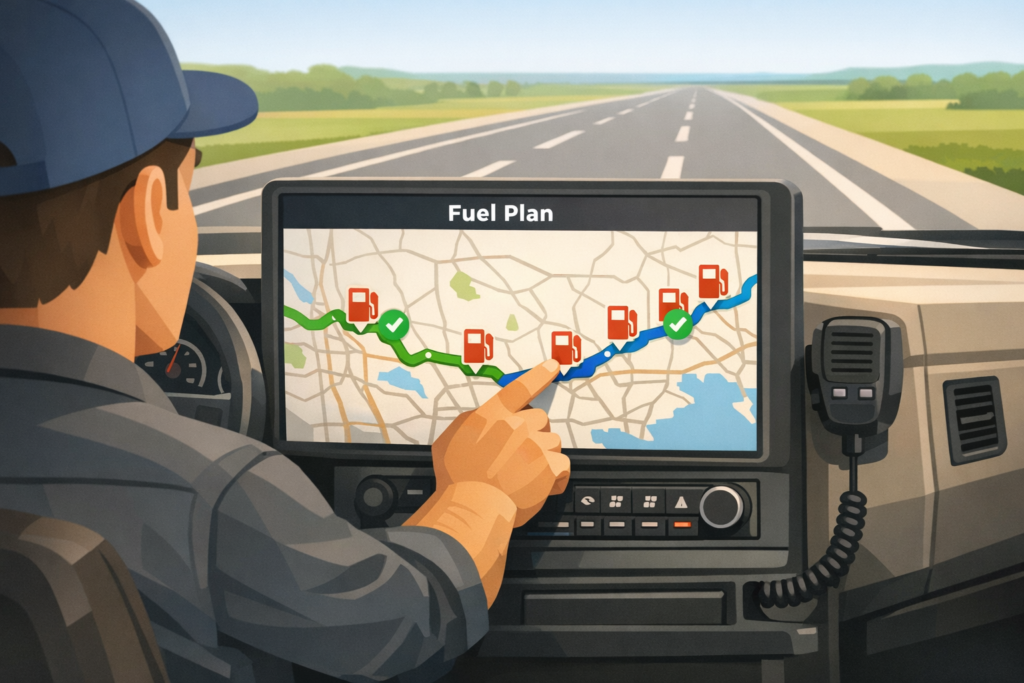
Identify fuel stations along your route to avoid running out of fuel during long hauls. Compare fuel prices at different stations to reduce operational costs and increase profitability. Consider your truck’s fuel capacity to determine stop frequency and plan fueling points efficiently. Coordinate fuel stops with rest breaks to meet hours-of-service requirements without wasting time. Check fuel type availability, including diesel, CNG, or DEF, to ensure compatibility with your truck.
Use fueling equipment that matches your truck connections to prevent delays. Plan for emergency refueling options in case of unexpected detours or low fuel. Factor in load weight and traffic conditions, as heavier loads and congestion increase fuel consumption. Take advantage of loyalty programs and discounts to optimize trip costs. Incorporate alternative routes when cheaper fuel options are available, and apply idling reduction strategies to save fuel. For diesel trucks, plan DEF/AdBlue refills to avoid engine shutdowns. Keep environmental considerations in mind by choosing fuel-efficient stops and routes to reduce emissions.
Tip 7: Optimize Your Driving Schedule
Plan your driving schedule to comply with Hours-of-Service regulations and avoid fines or fatigue-related accidents. It is recommended to schedule mandatory rest breaks to maintain alertness and ensure compliance. Adjust your driving times to avoid peak traffic and roadwork delays, improving efficiency and reducing fuel waste. Consider the benefits and risks of day versus night driving for safety and speed. Segment long trips into manageable portions to prevent fatigue and maintain delivery timing. Align your schedule with client delivery windows to ensure on-time arrivals.
Integrate fuel stops and rest breaks into your schedule to optimize time and route efficiency. Monitor weather conditions and adjust driving times to prevent accidents and delays. Keep track of fatigue signs and apply alertness strategies to stay safe on the road. Use contingency planning to allow buffer time for unexpected delays. Prioritize loads based on delivery urgency and coordinate with dispatch to align expectations. Account for seasonal traffic patterns and cargo-specific considerations, such as perishable goods, to optimize driving efficiency. Maintain sleep and health planning to support long-term alertness and well-being.
Tip 8: Prepare for Unexpected Delays
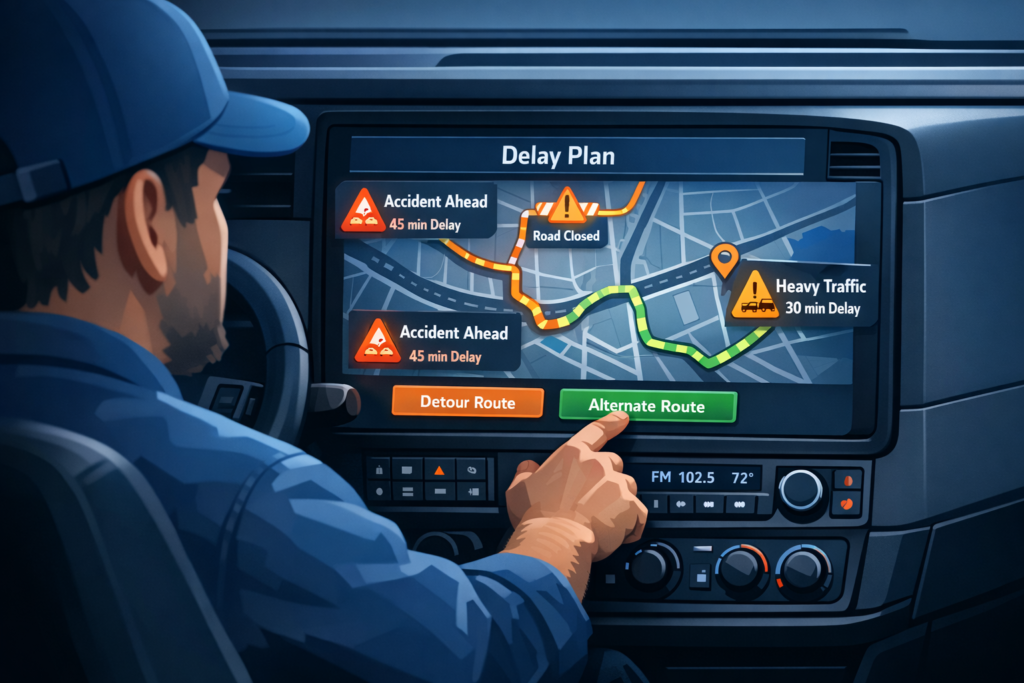
Plan for unexpected delays such as traffic congestion, severe weather, road construction, or equipment issues to maintain timely deliveries and safety. Monitor traffic patterns and adjust your route to reduce idle time. Anticipate weather-related problems like snow, rain, or storms, and prepare seasonal or regional alternatives. Stay aware of construction zones and update your route with real-time alerts. Keep an emergency contact list for dispatch, shippers, or roadside assistance to handle unforeseen events.
Always plan alternate routes so you can switch quickly if the main path is blocked. Include time buffers in your schedule to reduce the risk of missed delivery windows. Consider that sensitive cargo, whether perishable, fragile, or high-value, requires priority handling during delays. Communicate promptly with shippers about any expected setbacks to prevent penalties. Factor in fuel contingencies by carrying extra reserves and keeping equipment ready for extended travel. Mitigate driver fatigue by incorporating rest and rotation strategies during prolonged delays. Preparing for these scenarios minimizes disruption, protects your cargo, and keeps operations running smoothly.
Tip 9: Stay in Constant Communication
Maintain continuous communication with all stakeholders, dispatchers, shippers, customers, and third parties throughout your trip. Receive real-time updates from dispatchers and coordinate schedules to quickly resolve issues. Inform shippers and customers about delivery statuses and ETAs, and report any emergencies or delays immediately. Use reliable devices and apps to provide GPS tracking, share load documentation, and send alerts for incidents or exceptions.
Coordinate effectively with fleet teams to avoid scheduling conflicts, and integrate multi-platform tools to streamline alerts, tracking, and reporting. Conduct pre-trip check-ins and post-trip reporting to confirm expectations and document issues. Ensure messages are clear and professional, follow regulatory reporting requirements, and incorporate feedback loops to improve efficiency. Promptly communicate during unexpected delays, using structured scripts or templates to minimize confusion and financial risk.
Tip 10: Manage Delivery Timing Precisely
Plan delivery timing by calculating accurate ETAs that include loading/unloading durations, route optimization, and multi-stop sequencing. Monitor real-time traffic and analyze historical route data to adjust for congestion, seasonal patterns, and regional restrictions. Integrate telematics systems for live vehicle tracking and coordinate continuously with dispatchers and third parties to align expectations.
Prioritize deliveries based on cargo type, giving stricter timing to perishable or high-value loads. Build buffers for fuel, maintenance, and unexpected delays like weather or accidents. Track delivery windows and HOS compliance, and communicate proactively with customers regarding ETAs and schedule changes. Set up priority alerts for potential late deliveries to take corrective actions promptly.
Tip 11: Track Expenses and Profit Per Load
Log all costs associated with each load, including fuel, maintenance and repairs, tolls, permits, insurance, taxes, and labor/owner compensation. Calculate revenue per load and determine profit margins by subtracting these expenses. Monitor detention and layover costs, and evaluate profitability across different load types and routes to identify the most cost-effective operations.
Use real-time expense tracking apps or spreadsheets to capture expenses during the trip, and maintain accurate records for invoicing, collections, and tax compliance. Analyze per-mile costs and route efficiencies to benchmark performance and make data-driven decisions for future deliveries.
Tip 12: Review Each Load After Delivery
Evaluate delivery performance for each load by tracking on-time delivery, delays, and exceptions. Inspect cargo conditions and document any damage with photos or videos for accountability. Compare expenses versus revenue, including detention and layover costs, to measure profitability and refine pricing strategy. Collect customer feedback to improve service and satisfaction.
Verify documentation completeness and regulatory compliance, including BOLs, invoices, and legal requirements. Check equipment wear and perform post-delivery maintenance to prevent future breakdowns. Analyze load handling efficiency, profit per mile, and note lessons learned to improve future operations. Report any issues or incidents promptly using standardized templates to maintain accountability.
Final Thoughts: Think Like a Dispatcher, Drive Like a Pro
Think like a dispatcher and drive like a pro with Max Dispatch. Its advanced planning, tracking, and communication tools help owner-operators simplify load management, optimize routes, and stay ahead of delays, turning every trip into a more profitable and stress-free operation.