

by Faizan Hassan
March 11, 2026

Reviewed by Ford
Truck Dispatch Specialist
Semi trucks are considered the horses of the transportation industry. They have limited weight loads while operating. These limits are important to follow to protect the bridges and roads from any serious incident.
The drivers should keep their semi trucks compliant with federal and state rules while driving. Some professional tips can keep your fleet safe and legal on the road. The fleet managers need this guide to stay compliant.
We’ll explain how owner-operators can measure the limits, understand permit regulations, and follow driving tips for legal operations.
- What Is the Semi Truck Weight Limit?
- Federal Semi Truck Weight Limits in the United States
- Semi Truck Axle Weight Limits
- State-Specific Semi Truck Weight Limits
- Semi Truck Weight Limits by Trailer Type
- Bridge Formula and Its Impact on Weight Distribution
- Overweight and Oversize Load Regulations
- How to Calculate Semi Truck Weight
- Consequences of Exceeding Semi Truck Weight Limits
- Tips to Stay Compliant with Semi Truck Weight Limits
- Conclusion
- Frequently Asked Questions About Semi Truck Weight Limits
What Is the Semi Truck Weight Limit?
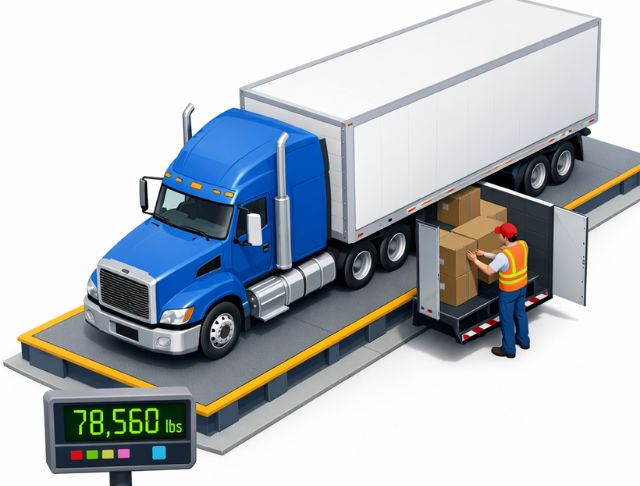
The semi-truck weight limit is 40 tons (80,000 pounds), which is the federal gross vehicle weight (GVW) limit on interstate highways. This includes the total weight of the trailer, cargo, and the truck.
Definition of Semi Truck Weight Limit
A semi truck’s weight limit is the maximum legal mass of the truck and trailer combined. Limits are set to ensure safety on the road and maintain efficient balance during operations on different routes.
Trailer type is also important for infrastructure safety, especially when the truck operates on interstate or federal routes.
Why Weight Limits Exist
Regulators design weight limits to protect bridges and roads from damage. Excessive loads can cause serious damage to other vehicles and drivers.
If any truck is hauling excessive loads, it can increase the risk of brake failure or loss of control due to the weight.
Federal vs. State Weight Regulations
The federal government sets the standards for national and interstate highways. The state controls the weight limits on state roads, which have more specific and strict rules. While states may allow heavier loads up to approximately 75 tons with permits.
Federal Semi Truck Weight Limits in the United States
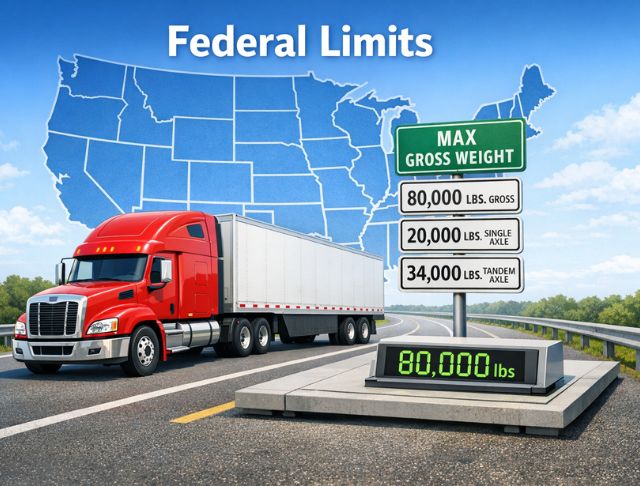
Interstate highways under the federal system establish a maximum gross vehicle weight limit. The federal system also considers axle size and spacing rules that can reduce uncertainty while hauling loads.
Gross Vehicle Weight Rating (GVWR) Explained
Gross Vehicle Weight Rating (GVWR) is the maximum weight for a single truck that includes everything it carries. The GVWR is printed on the placard or door jamb and differs from legal road weight limits or permit allowances.
Gross Combination Weight Rating (GCWR)
The Gross Combination Weight Rating (GCWR) represents the combined weight of a truck and its trailer. The Gross Combination Weight Rating (GCWR) helps ensure safety by keeping the total vehicle weight within legal highway limits.
Federal Bridge Formula Overview
The federal bridge formula is based on the gross weight limit and axle spacing or axle count to prevent excessive loads. A shorter truck with fewer axles has a limit lower than 80,000 pounds according to this federal formula.
Standard 80,000-Pound Limit Rule
The standard limit of the interstate system is defined according to federal regulations. Many truck-and-trailer combinations cannot meet this limit without adding axles or increasing axle spacing.
Semi Truck Axle Weight Limits
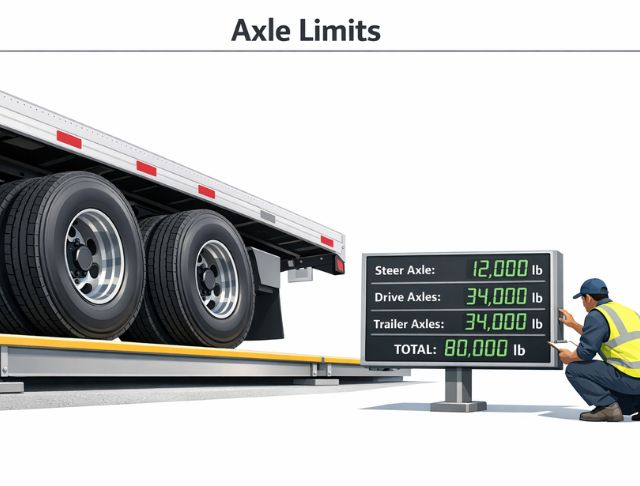
Federal law sets a standard of 20,000 pounds for a single axle on semi-trucks operating on interstate highways. The vehicle’s gross weight must comply with the Federal Bridge Formula.
Steer Axle Weight Limit
The federal government has set the single axle weight limit at 20,000 pounds, but many states set the limit lower than the federal rule at 12,000 pounds. Drivers should check with the DOT for the accurate steer axle limit according to the route.
Drive Axle Weight Limit
Drive axles are subject to per-axle and per-tire weight limits. The commonly referenced tandem axle limit is 34,000 pounds, which determines how much weight a tractor’s drive axles can carry.
Tandem Axle Weight Limit
Under federal guidance, the tandem weight limit is around 34,000 pounds. Many states may have different tandem weight limits. The bridge formula and axle spacing affect the tandem arrangement for maximum gross weight.
Tridem Axle Configurations
A tridem axle increases the allowable weight by adding an additional axle under the Federal Bridge Formula.
State-Specific Semi Truck Weight Limits
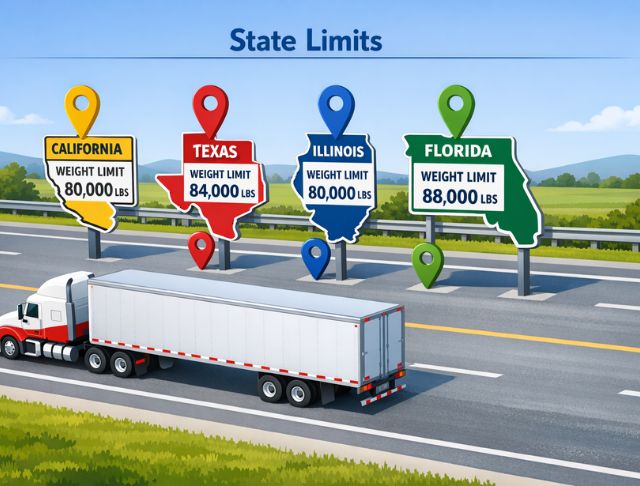
A semi truck follows federal and state regulations with a maximum gross weight (GVW). The limit is 34,000 pounds for tandem axles and 20,000 pounds for single axles. Specific states apply different rules for semi-truck weight limits.
How State Limits Differ
Some states closely adopt the federal limits and set higher or lower limits according to road conditions. Some states also allow more weight with additional axles or permits.
Overweight Permits by State
Sometimes on specific routes, the load exceeds the state weight limits, so trucks can get permits for oversized or overweight loads. These permits allow trucks to haul heavier loads on specific routes.
Seasonal Weight Restrictions
Some states impose restrictions in winter due to climate conditions. Some states impose restrictions in the spring to protect weakened pavements during the defrost period.
Semi Truck Weight Limits by Trailer Type
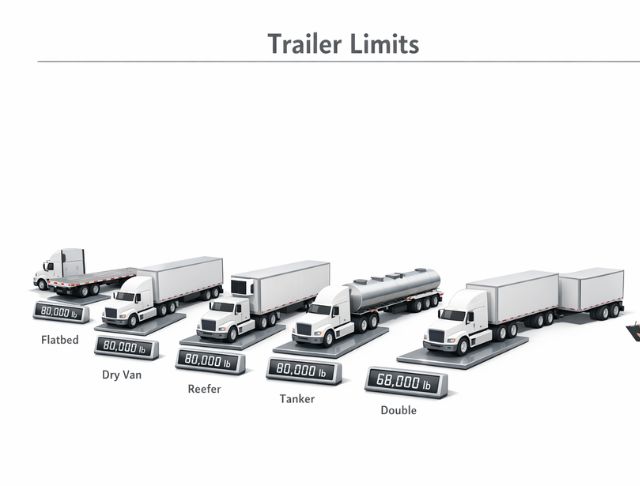
We have mentioned the semi truck weight limits under the federal bridge formula and state weight limits. Now we are going to explain the different trailer weight limits under the bridge formula.
- Dry Van Trailer Weight Limits: 42,000 to 45,000 pounds
- Flatbed Trailer Weight Limits: 46,000 to 48,000 pounds
- Refrigerated Trailer Weight Limits: 42,500 to 44,000 pounds
- Tanker Trailer Weight Limits: Small tanker weight limits are 8,340 pounds to 25,020 pounds, and large tanker weight limits are 45,870 to 96,744 pounds
- Lowboy and Heavy Haul Trailer Limits: 40,000 to over 150,000 pounds
Bridge Formula and Its Impact on Weight Distribution
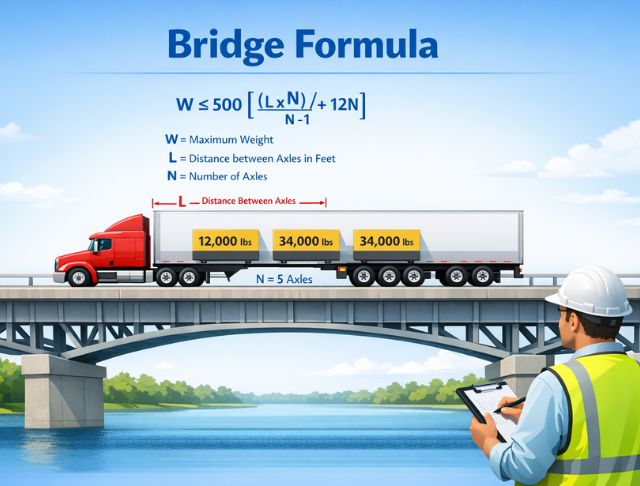
The Federal Bridge Formula defines the maximum weight limit of a semi-truck and regulates axle spacing and size to protect bridge structures.
How the Bridge Formula Works
The federal bridge formula sets the maximum weight limit to prevent bridge damage by balancing weight through axle spacing. This formula restricts heavy loads for trucks based on axle size.
Axle Spacing Requirements
When you understand the bridge formula, you’ll understand axle spacing and the distance between axle groups. When you increase the spacing or add more axles, you can allow higher weight limits under the bridge formula.
Penalties for Violations
Carriers can face penalties for weight limit violations, and those fines can reach $100 up to $1,000 and may include license suspension.
Overweight and Oversize Load Regulations
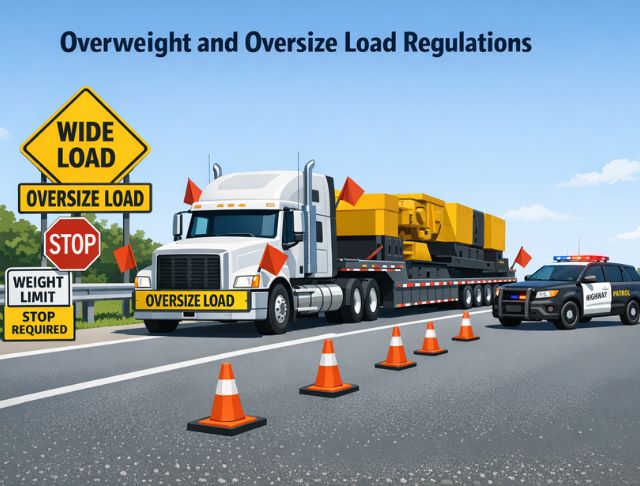
Overweight and oversized loads can result in several fines and citations. The authorities require cargo to be offloaded when the weight exceeds the allowable limit.
When You Need an Overweight Permit
Whenever your load weight exceeds the legal limit, you need a permit from the highway authorities. If you are hauling overweight loads, your truck requires a pilot or escort vehicle to ensure visibility and compliance during transportation.
Escort Vehicle Requirements
If you are hauling with overweight loads, your truck requires a pilot or escort vehicle to ensure visibility and compliance in transportation.
Fines and Penalties for Exceeding Weight Limits
Many carriers face fines and penalties for violations of weight limits. This may trigger heavy fines and cause infrastructure damage.
How to Calculate Semi Truck Weight
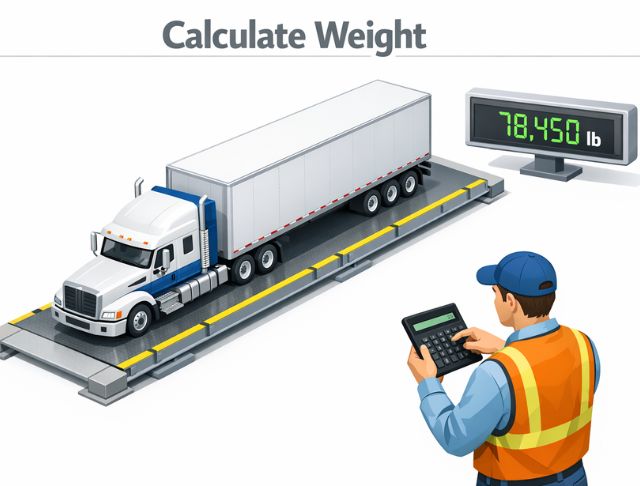
Semi-truck weight is calculated by adding the tractor, trailer, cargo, and passenger weights to determine the gross vehicle weight (GVW). The total gross weight is calculated, and it should not exceed the legal limit.
Understanding Tare Weight
The tare weight is the empty weight of the truck without cargo, the trailer, or the driver.
Calculating Payload Capacity
The driver should calculate the payload capacity before hauling on a specific route. The payload capacity depends on the legal gross limit or the GVWR/GCWR limit. The driver should use the applicable limit according to the state or federal bridge formula.
Using Truck Scales Properly
For accurate measurements on truck scales, drivers use verified scales with all axles on the scale. Take the weight tickets for inspection during the operations.
Consequences of Exceeding Semi Truck Weight Limits
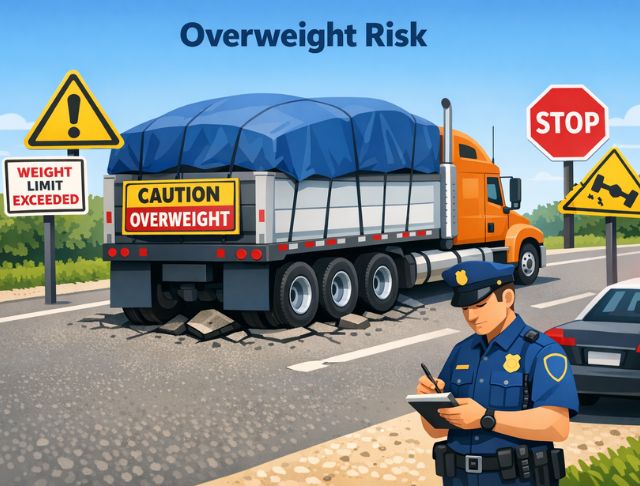
Exceeding the semi truck weight limits can cause several safety risks and lead the driver to violate the legal regulations.
- Legal Penalties: Carriers can face fines and be required to offload cargo.
- Impact on Insurance: If the driver operates with excessive loads, insurers may deny claims and refuse coverage.
- Safety Risks: Overweight trucks face difficulties hauling on busy highways.
- Equipment Damage and Maintenance Costs: Excess weight damages the tires and suspension, which increases maintenance costs.
Tips to Stay Compliant with Semi Truck Weight Limits
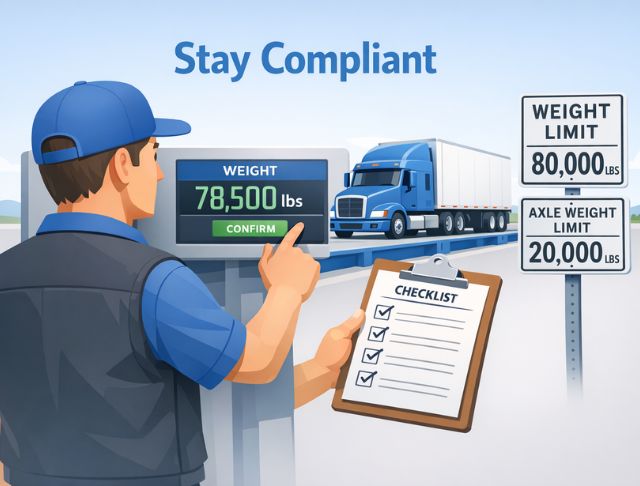
Many drivers look for pro tips to stay compliant with semi-truck weight limit regulations under the Federal Bridge Formula. We have put together some essential tips for every driver to follow.
- Proper Load Distribution: Ensure items are stable on the axle and use load belts for safety.
- Regular Equipment Inspection: Monitor tires, brakes, and other components to ensure equipment reliability.
- Using Weigh Stations Effectively: Avoid fines by stopping at weigh stations before long hauls.
- Planning Routes in Advance: Use state-issued permits, maps, and resources to plan routes and avoid seasonal restrictions.
Conclusion
Following the federal bridge formula for semi-truck weight limits is crucial for fleet managers and owner-operators. This is essential to ensure legal compliance and keep trucks and infrastructure safe.
Authorities provide guidance and permits for drivers hauling heavy loads on specific routes. Staying informed can prevent fines and equipment damage.
Fleets need proper load distribution and access to verified weigh stations before planning routes. Following these guidelines helps ensure your operations remain safe and compliant with weight limits.
Frequently Asked Questions About Semi Truck Weight Limits
What Is the Maximum Legal Weight for a Semi Truck?
The maximum weight for a semi truck under the federal bridge formula is 80,000 pounds. This refers to the total gross vehicle weight (GVW), including cargo.
Can Semi Trucks Exceed 80,000 Pounds?
With the proper permit from authorities, semi trucks can exceed 80,000 pounds.
Do Weight Limits Change for Different States?
Yes, states have different weight limits depending on road design and permit requirements.
How Are Axle Weights Checked?
Authorities typically use certified scales at weigh stations. Inspectors measure the gross weight to ensure it does not exceed legal limits.